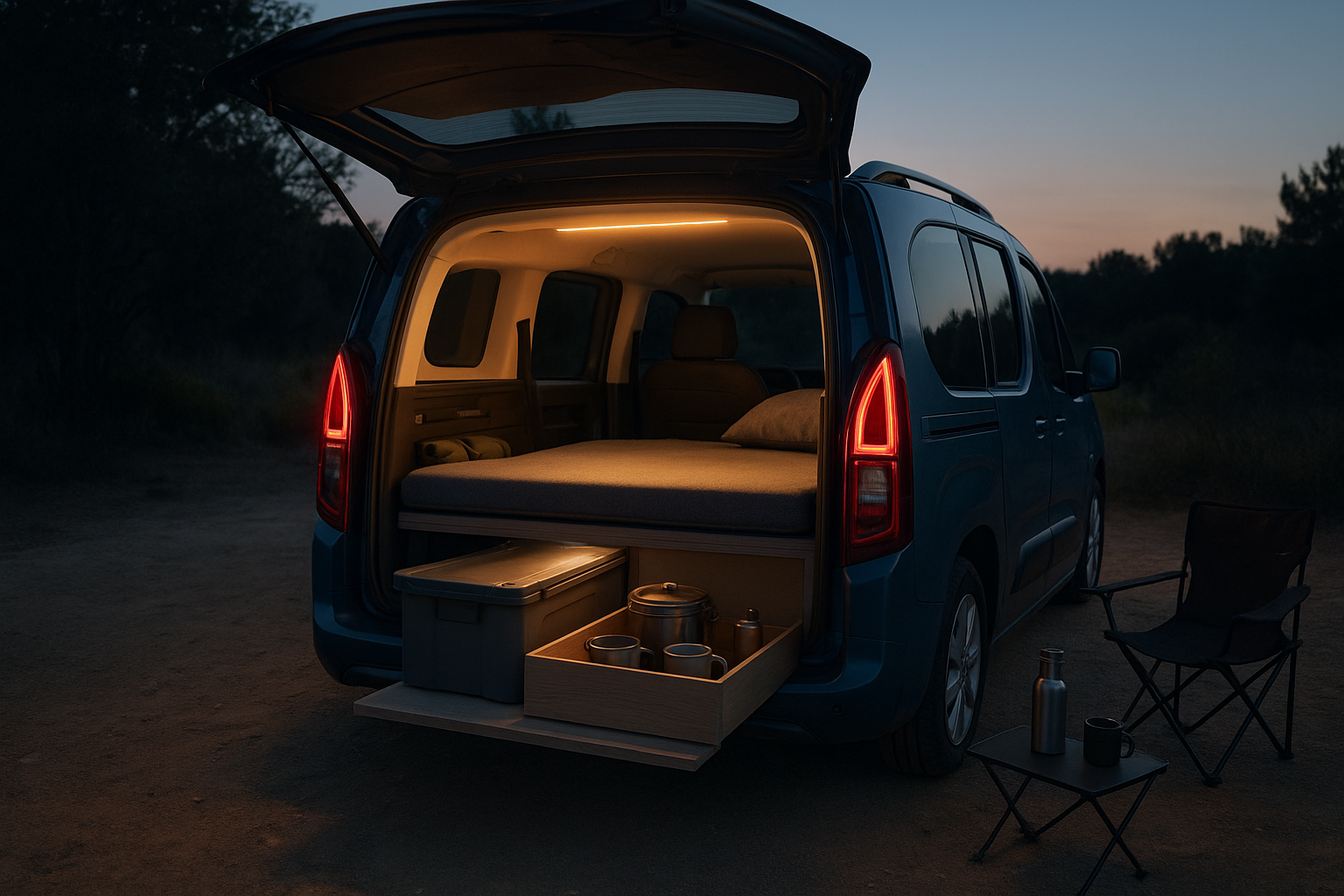
Quick Answer: What are the most popular extremely small van type vehicles in the UK to turn into a Microcamper in 2026?
In 2026, the most popular extremely small van type vehicles in the UK for converting into microcampers include models that offer compactness, efficiency, and versatility. These vehicles are ideal for those looking to embrace the microcamper lifestyle without sacrificing comfort or mobility.
- Citroën Berlingo: Known for its spacious interior and practicality.
- Peugeot Partner: Offers a similar design to the Berlingo with excellent fuel efficiency.
- Volkswagen Caddy: A reliable choice with a strong reputation for durability.
- Ford Transit Connect: Combines a robust build with ample cargo space.
- Renault Kangoo: Features a versatile layout and is easy to customize.
- Vauxhall Combo: Affordable and practical, making it a popular choice among microcamper enthusiasts.
- Mercedes-Benz Citan: Offers premium features in a compact size.
- Research the specifications and dimensions of each vehicle.
- Consider your specific needs for camping, such as sleeping arrangements and storage.
- Visit local dealerships or online platforms to check availability and pricing.
- Test drive your top choices to assess comfort and handling.
- Plan your conversion by reviewing this guide for inspiration and tips.
Common mistake: Many buyers overlook the importance of interior space and layout when selecting a small van for conversion. It’s essential to visualize how your microcamper will function for your specific camping needs before making a purchase.
Popular Small Van Models for Microcamping
When considering the best small van models for microcamping in the UK in 2026, several options stand out for their practicality, comfort, and adaptability. These vehicles are ideal for transforming into cozy microcampers, providing the perfect balance of space and efficiency.
- Ford Transit Connect: A versatile choice for microcampers.
- Citroën Berlingo: Practical and spacious.
- Volkswagen Caddy: Compact yet functional.
- Peugeot Partner: Affordable and adaptable.
- Renault Kangoo: Eco-friendly and efficient.
- Research the features of each model.
- Consider your specific microcamping needs.
- Visit local dealerships for test drives.
Common mistake: Many buyers overlook the importance of cargo space and interior layout when selecting a van for microcamping.
Ford Transit Connect: A Versatile Choice for Microcampers
The Ford Transit Connect is renowned for its versatility, making it a popular choice among microcampers. With ample cargo space and a comfortable driving experience, this van can easily be converted into a cozy living space. Its compact size allows for easy maneuverability in urban settings, while the high roof option provides extra headroom for standing.
Citroën Berlingo: Practical and Spacious
The Citroën Berlingo combines practicality with spaciousness. Its wide sliding doors make accessing the interior hassle-free, and the rear seats can be easily removed to create more room for camping gear. Additionally, the Berlingo offers excellent fuel efficiency, making it a cost-effective choice for long trips.
Volkswagen Caddy: Compact Yet Functional
For those who prioritize compactness without sacrificing functionality, the Volkswagen Caddy is an excellent option. Its clever design maximizes interior space while maintaining a small footprint. This model is particularly favored by urban dwellers who want a microcamper that can fit into tight parking spaces.
Peugeot Partner: Affordable and Adaptable
The Peugeot Partner stands out for its affordability and adaptability. It offers a range of configurations, allowing buyers to choose the setup that best suits their microcamping needs. With a robust build and reliable performance, the Partner is a solid choice for those looking to embark on weekend getaways.
Renault Kangoo: Eco-Friendly and Efficient
As sustainability becomes increasingly important, the Renault Kangoo offers an eco-friendly option for microcampers. With its low emissions and efficient fuel consumption, this van is perfect for environmentally conscious travelers. The Kangoo’s practical design also allows for easy conversion into a microcamper.
Key Features to Consider in a Microcamper
When transforming a small van into a microcamper, certain features are essential to ensure a comfortable and enjoyable camping experience. Understanding these key aspects can help you make an informed decision.
- Interior Space: Maximizing comfort.
- Fuel Efficiency: Cost-effective travel.
- Customization Options: Personalizing your microcamper.
- Safety Features: Ensuring peace of mind.
- Eco-Friendly Choices: Aligning with sustainability.
- Assess your space requirements based on your camping style.
- Evaluate fuel efficiency ratings for long-distance travel.
- Explore customization options to suit your needs.
Common mistake: Many buyers focus solely on aesthetics and overlook practical features that enhance functionality.
Interior Space: Maximizing Comfort
Interior space is paramount when converting a van into a microcamper. Look for models that offer flexible seating arrangements and ample storage options. A well-designed interior can significantly enhance your comfort during trips, allowing for a more enjoyable experience.
Fuel Efficiency: Cost-Effective Travel
Fuel efficiency is another critical factor to consider. Opting for a van with good mileage can save you money on long journeys. Many modern small vans are designed with fuel economy in mind, making them an excellent choice for budget-conscious travelers.
Customization Options: Personalizing Your Microcamper
Customization options allow you to tailor your microcamper to your specific needs. Whether you prefer a minimalist setup or a more luxurious interior, the ability to modify your van can enhance your camping experience. Consider features like foldable beds, built-in kitchens, and storage solutions.
Safety Features: Ensuring Peace of Mind
Safety should never be compromised. Look for vans equipped with modern safety features such as advanced braking systems, stability control, and multiple airbags. These features not only protect you on the road but also provide peace of mind during your camping adventures.
Eco-Friendly Choices: Aligning with Sustainability
As eco-consciousness grows, many buyers are seeking eco-friendly options. Choose a van with low emissions and consider investing in solar panels or energy-efficient appliances for your microcamper. This approach not only benefits the environment but can also enhance your overall camping experience.
Trends in Microcamping for 2026
The microcamping landscape is evolving, with several trends emerging for 2026. Understanding these trends can help you stay ahead of the curve and make informed decisions about your microcamper.
- Rise of Eco-Conscious Camping: Sustainable choices.
- Tech Integration: Smart camping solutions.
- Minimalist Living: Embracing simplicity.
- Research eco-friendly camping gear.
- Explore smart technology options for your microcamper.
- Consider minimalist designs that promote simplicity.
Common mistake: Many campers overlook the importance of staying updated on trends that can enhance their camping experience.
Rise of Eco-Conscious Camping: Sustainable Choices
The trend towards eco-conscious camping is gaining momentum. More campers are opting for sustainable practices, such as using biodegradable products and minimizing waste. This shift not only benefits the environment but also enhances the overall camping experience.
Tech Integration: Smart Camping Solutions
Technology is playing a significant role in modern microcamping. From solar-powered gadgets to smart navigation systems, tech integration can enhance convenience and comfort. Consider incorporating smart solutions into your microcamper for a more enjoyable experience.
Minimalist Living: Embracing Simplicity
Minimalist living is becoming increasingly popular among microcampers. By embracing simplicity and focusing on essential items, campers can create a more enjoyable and stress-free experience. This trend encourages individuals to prioritize experiences over material possessions, making each trip more meaningful.
Practical Use Cases for Microcamping
Microcamping is becoming increasingly popular in the UK, especially among those looking to escape the hustle and bustle of daily life. In 2026, various small van type vehicles are ideal for this purpose, offering flexibility and comfort for different adventures.
Weekend Getaways: Quick Escapes
One of the most appealing aspects of microcamping is the ability to take spontaneous weekend trips. Small vans can easily navigate narrow country lanes, making them perfect for reaching remote destinations. With just a few essentials packed, you can hit the road Friday evening and return Sunday, rejuvenated and ready for the week ahead.
Long-Distance Travel: Comfort on the Road
For those planning longer journeys, a microcamper provides a comfortable space to rest and recharge. With the right setup, you can enjoy amenities like a small kitchen and a cozy sleeping area, allowing you to travel without the need for constant hotel bookings. This flexibility is especially beneficial for exploring the scenic routes across the UK.
Festivals and Events: Easy Access
Microcampers are perfect for attending festivals and events, where parking can be challenging. Having your own accommodation means you can enjoy the festivities without worrying about late-night travel. Imagine waking up just a stone’s throw away from your favorite music festival, ready to enjoy the day ahead.
Family Adventures: Creating Memories
Microcamping isn’t just for solo travelers or couples; it can be a fantastic family experience. Small vans can be equipped to accommodate children, making family adventures more accessible. Whether it’s a trip to the beach or a trek through the countryside, these vehicles allow families to bond and create lasting memories together.
Tips for Converting Your Van into a Microcamper
Converting a small van into a microcamper can be a rewarding project that enhances your travel experience. Here are some essential tips to guide you through the process.
Planning the Layout: Designing for Functionality
Before diving into the conversion, it’s crucial to plan the layout of your microcamper. Consider how you’ll use the space, ensuring it accommodates sleeping, cooking, and storage needs. A well-thought-out design maximizes functionality and comfort.
Choosing Materials: Durability and Weight
When selecting materials for your conversion, prioritize durability and weight. Lightweight materials can improve fuel efficiency, while sturdy options ensure longevity. Look for materials that can withstand wear and tear, especially if you plan to use your microcamper frequently.
DIY vs. Professional Conversion: Weighing Options
Deciding between a DIY conversion and hiring a professional depends on your skills and budget. A DIY project can save money and allow for personal touches, but it requires time and effort. Conversely, a professional service can provide a polished finish but may come at a higher cost.
Essential Equipment: Must-Haves for Comfort
To ensure a comfortable microcamping experience, invest in essential equipment. This may include a portable stove, sleeping bags, and storage solutions. Prioritize items that enhance your comfort while keeping the space organized.
Budgeting for Your Conversion: Financial Planning
Establishing a budget for your conversion is vital. Factor in costs for materials, equipment, and any professional services you may require. Keeping track of expenses ensures you stay within your financial limits while achieving your microcamper goals.
Conclusion: Embracing the Microcamper Lifestyle
Embracing the microcamper lifestyle offers numerous benefits, allowing you to explore the great outdoors with freedom and flexibility. This lifestyle encourages spontaneous adventures and a deeper connection with nature.
Benefits of Microcamping: Freedom and Flexibility
Microcamping provides the freedom to travel at your own pace. You can choose your destinations, stay longer in places you love, and experience the beauty of the UK in a unique way. This flexibility is one of the primary reasons many people are drawn to the microcamper lifestyle.
Community and Resources: Connecting with Fellow Campers
Joining the microcamper community can enhance your experience. Many online forums and local groups offer resources, tips, and support for fellow campers. Connecting with others who share your passion can lead to new friendships and valuable insights.
Action Plan: Your Next 7 Tasks
Embarking on your microcamper journey requires a structured approach, especially if you want to maximize your experience in just one week. Here’s a detailed action plan to help you get started on the right foot.
Task 1: Research and Selection
Begin by researching the most popular small van models suitable for conversion into microcampers in 2026. Focus on vehicles like the Ford Transit Connect, Citroën Berlingo, and Volkswagen Caddy. Use online forums, social media groups, and related resources to gather insights from current microcamper owners. Take notes on their experiences and preferences.
Task 2: Budget Planning
Establish a budget for your microcamper project. Include costs for the van purchase, conversion materials, and any additional equipment you may need, such as a portable solar panel system or a compact cooking setup. For example, if you plan to spend £10,000 on a van, allocate around £3,000 for conversion and accessories. This will help you stay financially on track.
Task 3: Design Your Layout
Sketch out a rough layout of your microcamper. Consider how you will utilize the space effectively. Will you include a foldable bed, a kitchenette, or storage solutions? Use online design tools or apps to visualize your layout. For instance, a simple design might feature a pull-out bed that doubles as seating during the day, optimizing your limited space.
Task 4: Sourcing Materials
Compile a list of materials needed for your conversion. Visit local hardware stores or browse online marketplaces for the best deals. Look for sustainable materials, as eco-friendliness is a growing trend in 2026. For example, consider using recycled wood for your furniture or insulation made from natural fibers. This not only reduces your carbon footprint but can also enhance the aesthetic of your microcamper.
Task 5: Start the Conversion
Begin the conversion process by focusing on one area at a time. Start with the insulation and flooring, as these are foundational elements. If you’re unfamiliar with DIY projects, consider watching tutorial videos or joining a workshop. For instance, installing insulation can take around 4-6 hours, depending on your skill level, but it’s crucial for temperature control and comfort.
Task 6: Install Essential Features
Once the basics are in place, move on to installing essential features such as a compact cooking area and storage solutions. Incorporate multifunctional furniture to save space. For example, a bench seat with storage underneath can serve as both seating and a place to keep your gear. This step can take a full day, so plan accordingly.
Task 7: Test and Adjust
After completing the conversion, take your microcamper for a test run. Choose a nearby campsite to evaluate how well your setup works in real-life conditions. Pay attention to comfort, functionality, and any adjustments that may be needed. For example, if you find that the bed is too short for your height, consider modifying the design to ensure a restful sleep.
- Research popular small vans
- Establish a budget
- Design your microcamper layout
- Sourcing eco-friendly materials
- Start the conversion process
- Install essential features
- Test and adjust your setup
By following this structured plan, you can effectively transition from concept to reality in just one week. As trends evolve in 2026, consider integrating smart technology into your microcamper, such as AI-driven energy management systems, to enhance your camping experience.
Examples & Use Cases
Microcamping has gained traction among outdoor enthusiasts and urban dwellers alike, offering a unique blend of adventure and convenience. As we look towards 2026, the versatility of small vans for microcamping becomes increasingly apparent. Let’s explore some practical examples and use cases that highlight how these vehicles can transform your travel experience.
Consider the case of a couple, Sarah and Tom, who decided to convert a 2026 Ford Transit Connect into a microcamper. They wanted a vehicle that could serve both as a daily driver and a weekend getaway option. After researching various layouts, they opted for a minimalist design featuring a foldable bed, a compact kitchen unit, and ample storage for their outdoor gear. This setup allowed them to maximize space while ensuring comfort during their trips. Their first outing was a weekend trip to the Lake District, where they enjoyed the flexibility of parking at scenic spots and cooking meals right outside their van.
Another example is the growing trend of solo travelers utilizing small vans for extended journeys. Take Mark, a digital nomad who converted a 2026 Volkswagen Caddy. He integrated a solar power system to support his tech needs while on the road. This setup enabled him to work remotely from various locations, blending work and leisure seamlessly. By choosing a small van, Mark found it easier to navigate urban areas, allowing him to explore cities like Bristol and Edinburgh without the hassle of larger vehicles.
For families, microcamping can also be an enriching experience. The Johnson family transformed a 2026 Renault Kangoo into a family-friendly microcamper. They installed a pop-up roof to create additional sleeping space for their two children. Their first family trip to the Scottish Highlands was a hit, with the kids enjoying the novelty of camping in a van. The family found that having a mobile base allowed them to explore multiple sites without the need to pack and unpack at each location.
When considering your own microcamper conversion, it’s essential to think about the specific use case that aligns with your lifestyle. Here’s a quick checklist to help you determine your needs:
- How many people will be traveling?
- What amenities are essential for your trips (kitchen, bathroom, storage)?
- How often will you use the van for daily driving versus camping?
- What types of terrains will you be navigating?
- Are you planning to integrate technology for work or entertainment?
The integration of AI and smart technology into microcampers is becoming more prevalent. For instance, some manufacturers are exploring AI-driven systems that can optimize energy consumption based on your usage patterns, ensuring that your solar setup is as efficient as possible. This technology not only enhances the camping experience but also aligns with the growing trend of sustainable travel.
In conclusion, the examples of Sarah, Tom, Mark, and the Johnson family illustrate the diverse possibilities that small vans offer for microcamping. Whether you’re a couple seeking adventure, a solo traveler embracing the digital nomad lifestyle, or a family looking to bond over nature, there’s a microcamper solution tailored for you. For more insights and inspiration, check out this related resource that dives deeper into the microcamper lifestyle.
Scotch whisky, camper stops and something worthwhile for the non-touring partner.