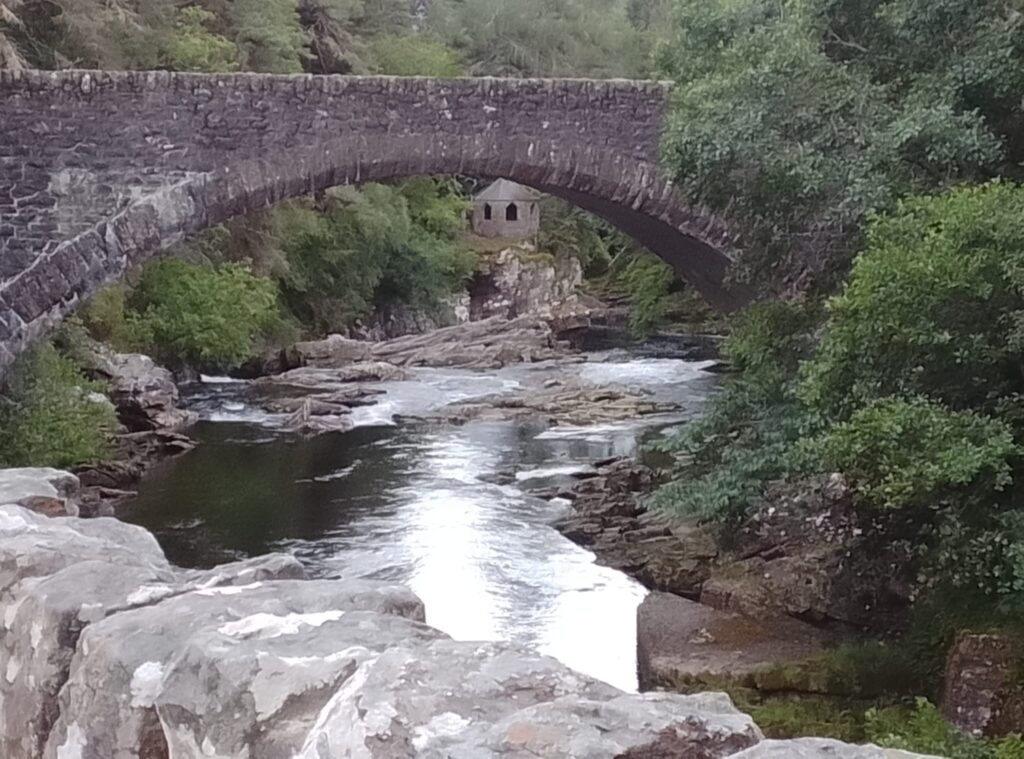
The allure of Ireland, for me, has always been its raw, unapologetic beauty. It’s a place where the landscape dictates the pace, and where a small footprint can make for a profound experience. As someone who finds immense satisfaction in the simplicity of microcamping, trading sprawling RVs for a nimble vehicle and a focus on what truly matters – access to nature – Ireland presents a unique and rewarding canvas. My travels have taken me across continents, but the particular wildness of the Emerald Isle, coupled with its ever-evolving camping infrastructure, has a persistent pull.
Planning My Irish Sojourn: The Lay of the Land
Navigating any new camping destination requires research, and Ireland is no exception. While the romantic notion of pitching a tent on a deserted beach is appealing, practicalities loom large, especially with the current landscape of registered sites. I’ve learned to approach these plans with a blend of optimism and pragmatism. The numbers, as they stand, paint a clear picture: fewer official parks, but a still substantial offering.
The Shrinking Footprint of Official Campsites
It’s important to acknowledge the statistical reality: Ireland has seen a significant reduction in registered caravan and camping parks since the turn of the millennium. From 132 down to 78 by 2025, this represents a shift. For a microcamper, this might seem a deterrent, but I see it differently. It encourages a more curated approach, a deeper dive into the remaining, often well-established, facilities. The total capacity, while reduced, is still considerable, offering around 5,975 pitches. This translates to approximately 24,000 bed spaces, which is more than enough to accommodate visitors, provided they plan ahead. My approach is to view this not as a shortage, but as an opportunity to focus on quality over quantity.
Where to Find Them: Geographic Hubs
The concentration of campsites offers a useful starting point for itinerary planning. The South of Ireland, particularly along the Wild Atlantic Way, emerges as a prime destination with 27 registered parks. This stretch of coastline is a given for any camper seeking dramatic scenery. Complementing this is Ireland’s Ancient East, boasting another 25 parks. This region offers a different, perhaps more historical, flavour, weaving ancient ruins and traditional villages into the natural tapestry. Within these broader regions, specific counties stand out: Kerry leads the charge with 13 parks, closely followed by Cork with 11. These counties are well-trodden by campers for a reason; they offer a high density of accessible and often scenic locations.
Booking in Advance: A Modern Necessity
The days of simply turning up and expecting a prime spot are largely over, even in the off-season. For 2026, opening and closing dates for caravan and camping parks are confirmed, and pre-booking is increasingly a requirement. This is a trend I’ve observed globally, and Ireland is no different. For a microcamper, this actually streamlines the process in a way. I can secure my preferred locations well in advance, knowing I have a confirmed base. It removes the uncertainty, allowing me to focus on the more enjoyable aspects of planning – navigating the winding roads and anticipating the views.
If you’re looking to explore the beauty of the Irish countryside while enjoying the great outdoors, you might find the article on micro camping in Ireland particularly helpful. It offers insights into the best locations, tips for setting up camp, and advice on how to make the most of your camping experience. For more information, check out the article here: Micro Camping in Ireland.
Navigating the Options: From Established Parks to Wild Escapes
While the official campsites provide a predictable and convenient base, my microcamping ethos often extends to seeking out more unconventional experiences. Ireland, with its varied terrain, offers a spectrum of possibilities.
Family-Run Charm: Streamstown and its ilk
When I’m looking for a no-fuss, comfortable stopover, especially after a long drive, sites like Streamstown in Tipperary are invaluable. This family-run farm site, conveniently located just off the M7, embodies a certain heartiness. It’s not about frills; it’s about a welcoming atmosphere, clean facilities, and a sense of being grounded in the countryside. These are the places where you can unpack with ease, perhaps chat with the owners about local recommendations, and get a good night’s sleep before continuing your exploration. They offer a comfortable familiarity that is particularly appreciated when on the road.
Mountain Vistas: Powers The Pot and its kin
For those drawn to the dramatic embrace of mountains, Powers The Pot, with its 37 pitches nestled in the Comeragh Mountains, is a standout. Camping here offers direct access to hiking trails and the kind of silence that only remote mountain ranges can provide. While not a solitary experience, there is a profound sense of peace to be found breathing in the crisp mountain air and gazing at the vastness. These sites often come with more robust facilities, catering to those who want to comfortably immerse themselves in rugged landscapes.
Lakeside Serenity: Galey Bay and its peers
The allure of water is undeniable when camping, and Galey Bay on Lough Ree, with its 27 pitches and amenities, offers exactly that. Lakeside camping provides a unique connection to the natural world, offering opportunities for watersports, fishing, or simply the meditative rhythm of watching the water. These sites are often popular with families, and the amenities reflect that, ensuring a comfortable and engaging stay.
The Call of the Wild: Unplugging in Leitrim
My microcamping philosophy truly shines when I can find those rare pockets of true solitude. The highlight of many of my Irish trips are the wild camping experiences. While official regulations and private land ownership must always be respected, there are moments and locations where this is possible. I recall a particularly memorable solo camping trip to a remote waterfall in Leitrim. With absolutely no phone signal, the world shrinks to the immediate surroundings: the sound of the cascading water, the changing light on the hills, and the quiet contemplation it induces. These are the moments that recharge my soul. It’s about leaving no trace, respecting the environment, and finding a profound connection with nature in its purest form. These experiences, though less structured, are often the most rewarding.
Embracing the Microcamping Lifestyle in Ireland
My approach to microcamping in Ireland is about maximizing freedom and minimizing complexity. It’s about adapting to the environment, making smart choices, and enjoying the journey.
The Art of Packing Light: Essentials for the Irish Elements
Packing for Ireland requires a mindful approach to weight and versatility. My microcamper, a compact vehicle, dictates this. I focus on high-quality, multi-functional gear. Think a good quality, lightweight tent that can withstand wind and rain, a warm sleeping bag suitable for unpredictable temperatures, and a reliable cooking system that is easy to set up and pack down. Layers are paramount. The Irish weather can change in an instant, so being prepared for sun, wind, and rain, often within the same day, is key.
Navigating by Map and Instinct: Embracing the Detour
While GPS and apps are useful, I find that Ireland encourages a more analogue approach to navigation. My trusty map and compass, coupled with an understanding of local road signs, often lead to the most enchanting discoveries. The main roads are well-maintained, but the real magic often lies in the smaller, winding country lanes. These detours can lead to hidden villages, unexpected viewpoints, and encounters with local life that you wouldn’t find on a direct route. It’s about embracing the journey rather than solely focusing on the destination.
Culinary Creativity in a Small Space: Simple Pleasures
Cooking in a microcamper is an exercise in efficiency and ingenuity. I prioritize ingredients that are easy to store and prepare. One-pot meals, simple grilled items, and pre-prepared components are my staples. A good quality camping stove is essential, and learning to make the most of limited counter space becomes an art form. The pleasure of a warm meal, cooked with fresh Irish ingredients, enjoyed with a view, is a simple yet profound satisfaction that beats any Michelin-starred restaurant.
Official Resources and a Word on Respect
For anyone considering a camping trip to Ireland, understanding and utilizing the available resources is crucial. Informed planning leads to a more enjoyable and responsible experience.
Camping Ireland: Your Go-To for Approved Sites
The Camping Ireland website serves as an invaluable resource for finding registered and approved caravan and camping parks across the country. Its search function allows you to filter by location, facilities, and even specific amenities. This is the first place I consult when building my itinerary, ensuring that I’m choosing sites that meet my requirements and adhere to regulations. It provides a reliable overview of the official camping infrastructure.
Ireland.com: Beyond the Tent
While Camping Ireland focuses on traditional sites, Ireland.com opens up a broader perspective on outdoor accommodation. Their information on diverse options, such as glamping pods and camper vans, is particularly relevant for microcampers or those seeking a different kind of comfort. These options can provide a unique blend of nature and convenience, often located in scenic areas that might not have traditional campsites. Exploring these alternatives can expand your horizons and offer a different way to experience the Irish landscape.
Responsible Camping: The Unwritten Rules
A core tenet of my outdoor pursuits, whether wild or in a designated park, is a commitment to responsible practices. This means leaving no trace – packing out everything you pack in, minimizing your impact on the environment, and respecting local communities. The current trend towards fewer official sites does not excuse irresponsible behaviour. For wild camping, this is even more critical. Always seek permission if on private land, ensure you are not in an environmentally sensitive area, and be mindful of fire safety. The beauty of Ireland is a precious resource, and it’s our responsibility to preserve it for future generations.
If you’re planning a camping trip in Ireland, you might find it helpful to read an article that offers insights into the best camping spots and tips for a successful outdoor experience. For more information, check out this informative piece on camping in Ireland, which provides valuable advice for both beginners and seasoned campers. You can find the article here: camping in Ireland.
The Enduring Appeal of the Irish Outdoors
Despite the evolving landscape of camping facilities, Ireland’s draw for the outdoor enthusiast remains undiminished. Its wild beauty, its rich history, and its welcoming spirit combine to create an unparalleled experience.
The Wild Atlantic Way: A Coastal Masterpiece
The South of Ireland, particularly the Wild Atlantic Way, is a circuit I find myself drawn to repeatedly. The sheer drama of the coastline, with its towering cliffs, windswept beaches, and crashing waves, is captivating. Camping here, whether in a registered park or finding a discreet spot for wild camping (where permitted and responsible), allows for a deep immersion in this elemental landscape. The ever-changing light and weather patterns add to its mystique, offering a new vista at every turn.
Ireland’s Ancient East: History Meets the Horizon
For those who appreciate a blend of natural beauty and historical depth, Ireland’s Ancient East offers a rich tapestry. The rolling hills, fertile farmlands, and proximity to ancient monastic sites, castles, and passage tombs create a different kind of camping experience. The campsites here are often nestled in picturesque settings, providing a comfortable base from which to explore centuries of history. The sense of connection to the past, felt whilst looking out at a landscape shaped by millennia of human habitation, is a profound one.
The Unplugged Experience: Finding Solitude and Serenity
Ultimately, for me, the essence of microcamping in Ireland lies in the pursuit of true connection – with nature and with oneself. The moments of solitude, the quiet contemplation by a remote waterfall, or the simple pleasure of watching the stars from a peaceful campsite, these are the rewards. While the infrastructure may be changing, the inherent wildness and the opportunity for profound experiences remain. It’s about adapting, planning wisely, and embracing the freedom that a microcamping lifestyle affords. Ireland, in its rugged and unyielding beauty, continues to offer this in abundance.
FAQs
What are the best camping spots in Ireland?
Some of the best camping spots in Ireland include Glenmalure in County Wicklow, Connemara in County Galway, and the Dingle Peninsula in County Kerry.
What are the camping regulations in Ireland?
Camping in Ireland is regulated by the laws of the landowner, so it’s important to seek permission before setting up camp on private property. In designated camping areas, campers are expected to follow Leave No Trace principles and adhere to any specific rules set by the site.
What is the best time of year for camping in Ireland?
The best time for camping in Ireland is during the summer months, from June to August, when the weather is generally milder and the days are longer. However, it’s important to be prepared for rain and changing weather conditions at any time of year.
What should I pack for camping in Ireland?
When camping in Ireland, it’s important to pack waterproof clothing, sturdy footwear, a warm sleeping bag, and a reliable tent. Other essentials include a first aid kit, insect repellent, and a portable stove for cooking.
What are some popular activities to do while camping in Ireland?
Popular activities while camping in Ireland include hiking in the scenic countryside, fishing in the many lakes and rivers, and exploring historical sites such as ancient ruins and castles. Additionally, many camping areas offer opportunities for water sports like kayaking and surfing.
Scotch whisky, camper stops and something worthwhile for the non-touring partner.